
.webp)

Kremlin, Russia: The Heart of Power and Heritage in Moscow
Discover the magnificent Kremlin of Moscow — a timeless fortress of Russian history, culture, politics, and architectural grandeur.
Introduction
Standing majestically on the banks of the Moskva River, the Kremlin is not just a fortress – it is the soul of Russia's history, culture, and political power. Located in the heart of Moscow, this magnificent complex of palaces, cathedrals, and towers serves as both the official residence of the Russian President and a symbol of centuries-old Russian heritage. The word “Kremlin” literally means “fortress within the city”, and indeed, it has been the beating heart of Moscow since the Middle Ages.
Originally built for protection, the Kremlin has seen coronations, revolutions, wars, and conquests. Its golden-domed cathedrals and crimson towers tell the stories of kings, tsars, and leaders who shaped the fate of one of the world’s most powerful nations.
From imperial fortress to center of Soviet power, the Kremlin’s evolution reflects Russia’s complex journey. Today, it is a UNESCO World Heritage Site and one of Europe’s most visited landmarks, blending architectural grandeur with deep historical resonance.
Fun fact: The Kremlin’s star-studded tower shines brightly every night, symbolizing the nation’s enduring spirit and unity.
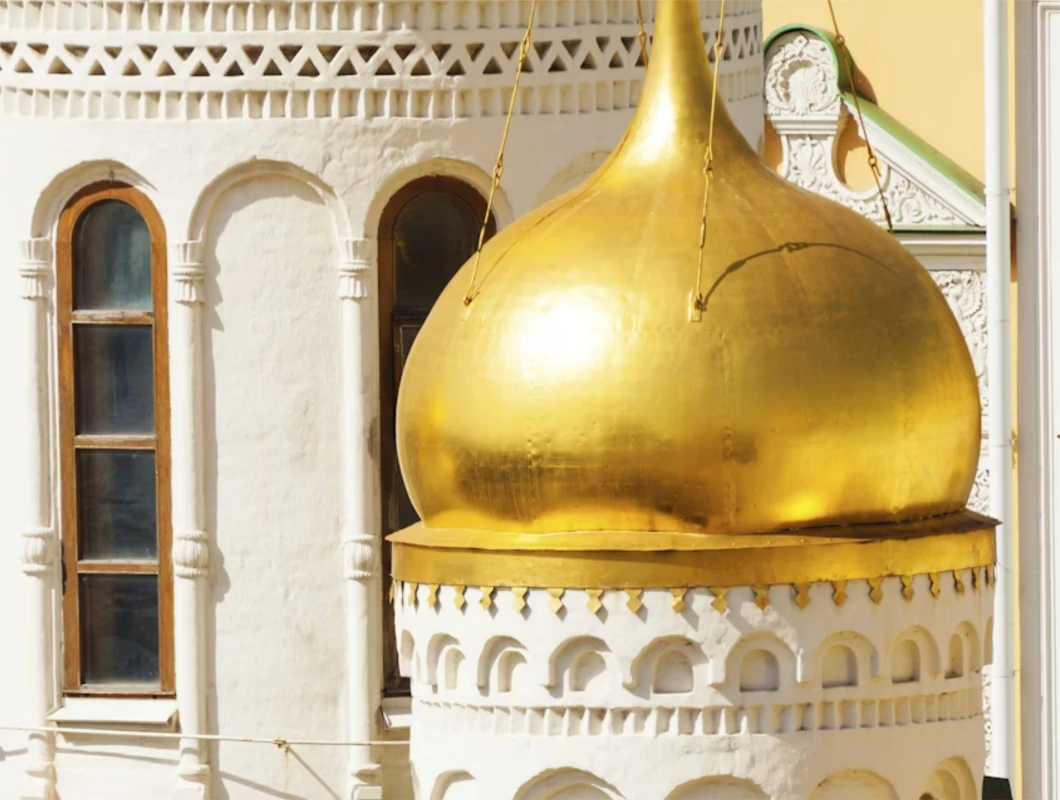
The Soul of Moscow
The Kremlin’s crimson walls, golden domes, and historic towers together represent centuries of Russian political power, religious tradition, and cultural identity.
Geographic Location and Map
Location Details
- Country Name: Russia
- State/Province Name: Moscow (Federal City)
- District Name: Central Administrative Okrug, Moscow
- Main Landmark: Moscow Kremlin
Quick Facts
- UNESCO World Heritage Site since 1990.
- Official residence of the Russian President.
- One of the most famous fortified complexes in the world.
- Located beside the iconic Red Square.
Map
Open this location on Google Maps
History and Background
Origins and Beginnings
The Kremlin’s history dates back more than 850 years, making it one of the oldest continuously inhabited places in Russia. Archaeological evidence suggests that the first settlement appeared here as early as the 2nd century BC, but the Kremlin’s founding is credited to Prince Yuri Dolgoruky in 1156. He ordered the construction of a wooden fortress on Borovitsky Hill to protect Moscow, which at that time was a small town surrounded by dense forests.
Over the next few centuries, as Moscow's political and economic importance grew, the Kremlin transformed from a simple wooden structure into a magnificent stone fortress. In 1367, during the reign of Prince Dmitry Donskoy, the wooden walls were replaced with white limestone, earning Moscow its famous nickname – the "White-Stone City".

Medieval Origins of the Kremlin
The early Kremlin grew from a wooden fortress into a magnificent center of Russian political and religious power during the medieval era.
Construction Timeline
The modern appearance of the Kremlin began to take shape during the reign of Ivan III (Ivan the Great) in the late 15th century. Determined to make Moscow a new center of power after the fall of Constantinople, Ivan invited Italian architects such as Aristotle Fioravanti, Marco Ruffo, and Pietro Antonio Solari to design new cathedrals, palaces, and walls using advanced European techniques.
Between 1485 and 1495, the red-brick walls and towers that define the Kremlin today were built. These structures replaced the old white-stone fortifications, giving the fortress its signature crimson color.
15th Century
Construction of the Cathedral of the Assumption, the Cathedral of the Archangel, and the Cathedral of the Annunciation.
16th Century
Addition of the Ivan the Great Bell Tower and the massive Tsar Cannon.
17th–18th Centuries
Expansion under the Romanovs and construction of the Terem Palace.
19th–20th Centuries
Construction of the Grand Kremlin Palace and later Soviet-era restorations.
Each phase of construction reflected the political climate of its time – from medieval orthodoxy to imperial grandeur and, later, Soviet power.

Imperial Expansion
The construction of grand palaces and cathedrals transformed the Kremlin into a powerful symbol of imperial Russia and royal authority.
Historical Events and Stories
Few places in the world have witnessed as many important events as the Kremlin. It has been the center of the Russian state – the throne room of the Tsars, the headquarters of Soviet leaders, and the official residence of modern presidents.
- 1480: Ivan III declares the end of Mongol rule from within the Kremlin, marking the birth of an independent Russian state.
- 1547: Ivan IV (Ivan the Terrible) is crowned here as the first Tsar of Russia.
- 1612: Polish invaders are driven out of the Kremlin during the Time of Troubles.
- 1812: Napoleon's troops capture the Kremlin and attempt to destroy it, but the fortress survives.
- 1917: The Bolsheviks seized power, and the Kremlin became the seat of the Soviet government.
- 1991: The Kremlin became the official residence of the President of the Russian Federation.
Every wall, dome, and courtyard echoes these turning points – from coronations and religious processions to revolutions and world wars.
Thus, the Kremlin is not just a monument of stone and art, but a living history of Russian culture.
Architecture and Design
Architectural Style
The Kremlin's architecture is a blend of Russian, Byzantine, and Italian Renaissance styles, creating one of the most striking complexes in the world. Unlike most European fortresses that served purely defensive purposes, the Kremlin was both a center of power and a sacred religious center. Its design balances the solemn authority of a political structure with the spiritual serenity of its cathedrals.
The massive red-brick walls, ranging from 5 to 19 meters high and stretching for about 2.25 kilometers, enclose an area filled with magnificent palaces, churches, towers, and gardens. The walls are punctuated by 20 towers, each uniquely designed and crowned with a spire or ruby-red star. The most iconic of these is the Spasskaya Tower, which houses a massive clock that has marked the rhythm of Russian history since the 17th century.
The architectural evolution of the Kremlin reflects Russia's transformation - from a medieval princely state to an imperial empire and then to a modern superstate. It represents not only material power but also the artistic ambitions of generations of rulers and craftsmen.
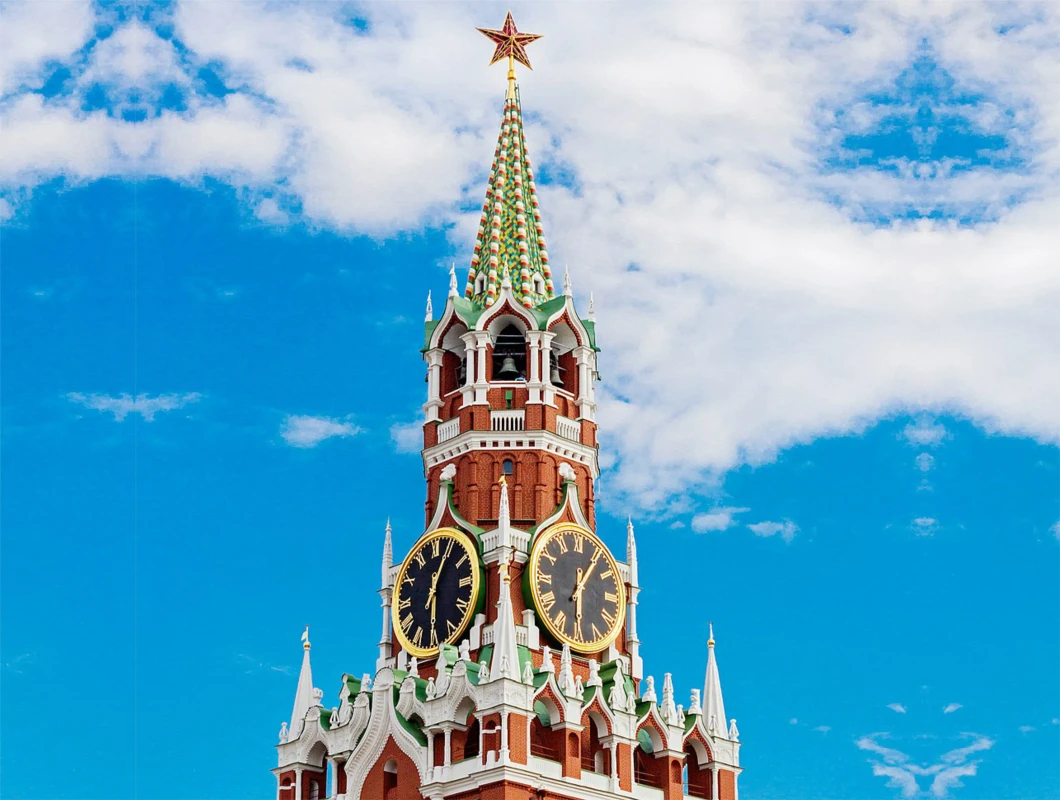
Spasskaya Tower
The famous Spasskaya Tower with its historic clock and glowing ruby-red star stands as one of the most recognized symbols of Russian history and state power.
Materials and Techniques
The Kremlin's construction materials have changed over the centuries, symbolizing the progress of Russian architecture. The earliest wooden fortifications were built using white limestone and then red brick - a material introduced by Italian architects in the late 15th century.
The walls were built using two-faced bricks filled with rubble and lime mortar, which ensured exceptional durability. The domes of the cathedrals are gilded with real gold leaf, which shimmers in the sunlight as a representation of divine power. Inside, frescoes, mosaics, and iconostases adorn the interior, painted by legendary Russian artists such as Andrei Rublev and Dionysius.
Special techniques, such as vaulted ceilings, ornate arches, and iconic onion domes, highlight both functionality and symbolism. The thick walls and hidden corridors also serve strategic military purposes - protecting the rulers during times of siege and invasion.
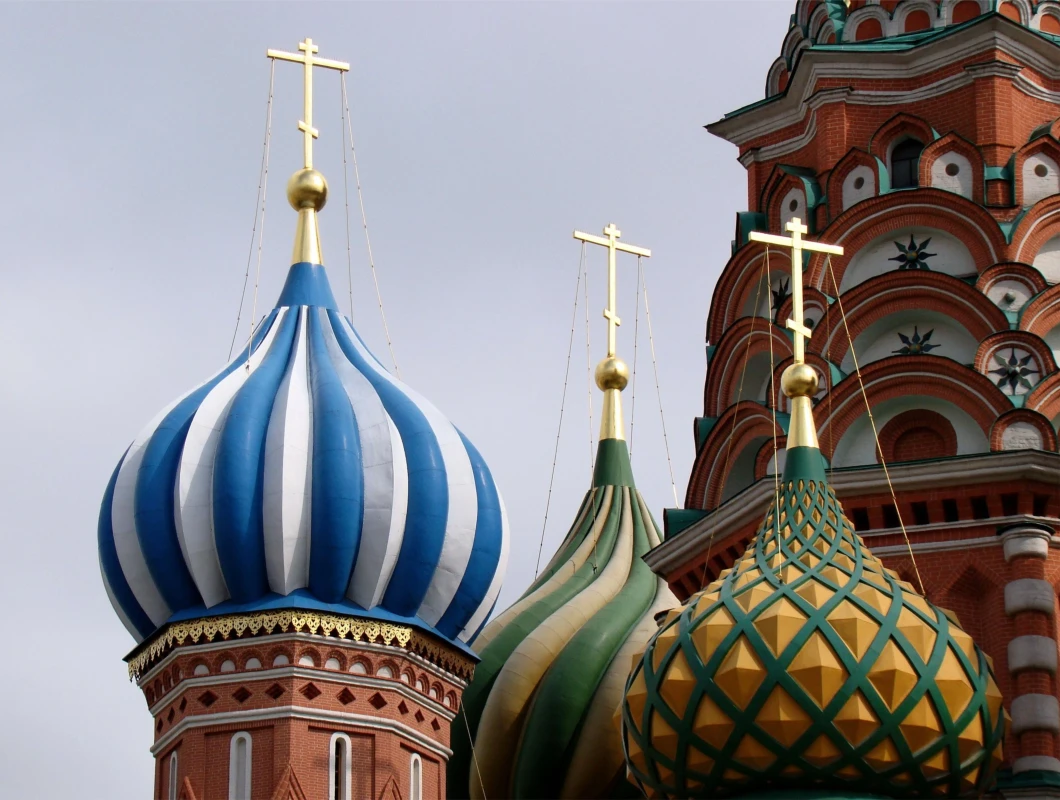
Golden Domes and Sacred Design
The Kremlin’s golden domes, decorative arches, and Byzantine-inspired cathedrals reflect centuries of Russian religious devotion and architectural artistry.
Gardens and Surroundings
Beyond its walls lies the Alexander Garden, one of Moscow’s oldest public parks. Established in the early 19th century, it provides a peaceful contrast to the political intensity of the Kremlin complex. The garden features fountains, flower beds, and the Tomb of the Unknown Soldier, dedicated to the heroes of World War II.
Inside the Kremlin, lush courtyards and ancient trees soften the dominance of the fortress' stone. For example, the Kremlin Senate Garden offers stunning views of the palaces and towers. These green spaces symbolize the harmony between power and nature - a recurring theme in Russian design philosophy.

Alexander Garden
Located beside the Kremlin walls, Alexander Garden offers a calm and beautiful escape filled with greenery, monuments, and historic atmosphere.
Artistic Elements
The Kremlin is a treasure trove of religious and artistic masterpieces.
Some highlights include:
- Assumption Cathedral (Uspensky Sobor): Designed by Aristotle Fioravanti, it was the site of coronations and patriarchal enthronements.
- Archangel Cathedral: The final resting place of Russian princes and tsars.
- Annunciation Cathedral: Known for its golden domes and intricate iconostasis.
- Ivan the Great Bell Tower: Once the tallest structure in Moscow, symbolizing spiritual connection and authority.
- Tsar Bell and Tsar Cannon: Massive bronze artifacts representing Russia's craftsmanship and imperial ambition.
The blend of faith, artistry, and engineering makes the Kremlin not only a center of governance but also a monumental gallery of human creativity.
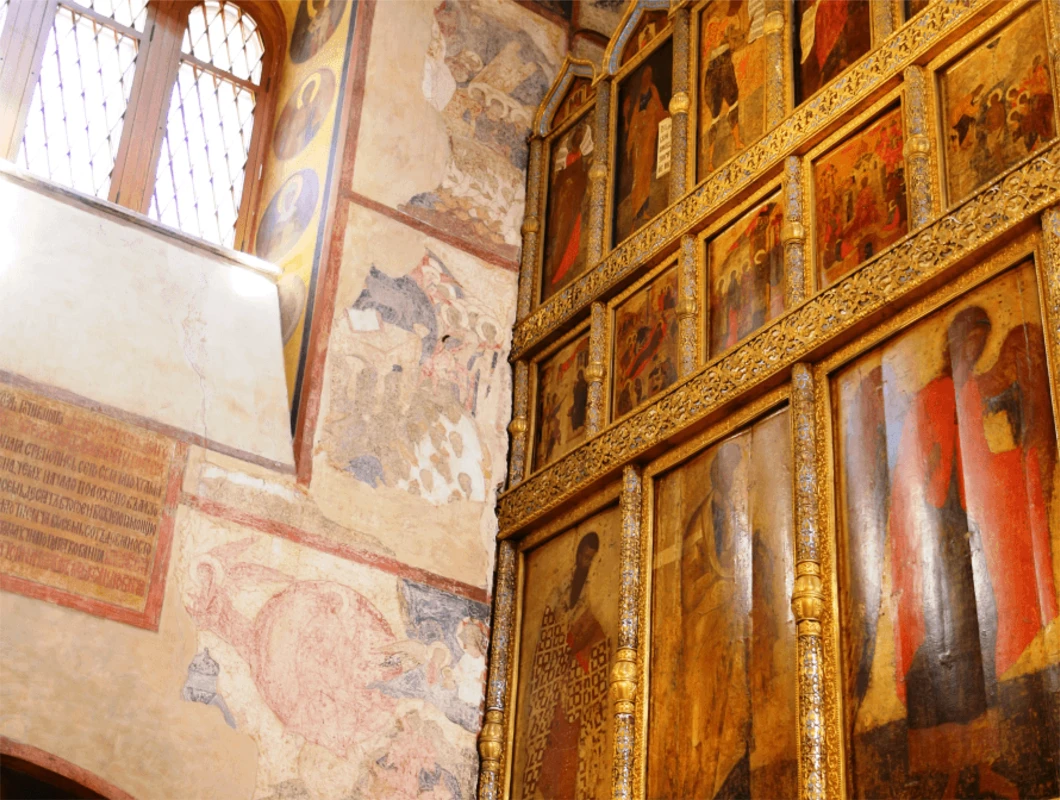
Sacred Artistic Heritage
The richly decorated interiors of Kremlin cathedrals preserve centuries of Russian religious art, frescoes, mosaics, and sacred traditions.
Cultural and Spiritual Significance
Religious / Spiritual Significance
The Kremlin is more than a political stronghold—it is the spiritual heart of the Russian Orthodox Church. For centuries, it was the most important cathedral and home to religious ceremonies in the Russian Empire.
The Assumption Cathedral, completed in 1479, served as the center of the church, hosting coronations, coronations, and national religious events.
Each cathedral has its own spiritual role:
- The Annunciation Cathedral was used for royal weddings and baptisms.
- The Archangel Cathedral houses the tombs of princes and tsars, marking it as a sacred place of remembrance.
- The Cathedral of the Twelve Apostles served as the residence church of the Patriarch of Moscow.
Even after the Soviet regime suppressed religion, these cathedrals remained symbols of Russian spirituality. Today, they have been restored and reopened, welcoming devotees and visitors from around the world.
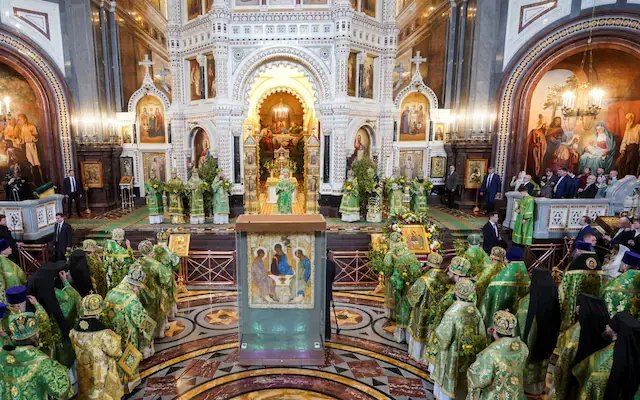
Orthodox Spiritual Heritage
Sacred ceremonies, prayers, and royal religious traditions made the Kremlin cathedrals central to the spiritual life of Russia for centuries.
Cultural Relevance
Throughout history, the Kremlin has influenced Russian art, literature, and national identity. It is often depicted in poetry, paintings, and films as a symbol of unity, resilience, and pride.
Writers such as Alexander Pushkin and Leo Tolstoy mentioned it in their works, using it as a metaphor for the grandeur and endurance of Russia.
During the Soviet era, the Kremlin took on a new meaning - as a center of political ideology. It became synonymous with the power of the USSR, often referred to simply as "The Kremlin" to denote the Soviet government.
Today, the Kremlin continues to represent a continuity between Russia's past and present - a living museum that tells the story of a nation that has survived invasion, revolution, and reinvention.

Living Cultural Traditions
The Kremlin continues to preserve centuries-old Russian traditions, ceremonies, sacred art, and national cultural identity.
Influence on Art and Literature
The Kremlin's magnificent architecture has inspired countless artists, musicians, and filmmakers. The sight of its onion domes silhouetted against the Moscow skyline is one of the most recognizable images in the world.
In classical music, composers such as Tchaikovsky and Mussorgsky drew inspiration from the grandeur of Russian churches and palaces – many of which were part of the Kremlin.
Its depiction in art ranges from medieval icons to modern cinema, symbolizing not only political authority but the eternal soul of Russian culture.
Fun Facts and Trivia
Tsar Bell
The Tsar Bell is the largest bell in the world, weighing more than 200 tons.
Kremlin Towers
The Kremlin walls stretch around 2.25 kilometers and include 20 historic towers.
Ruby Stars
The glowing ruby stars on top of the Kremlin towers are illuminated from within.
Secret Tunnels
Underground tunnels beneath the Kremlin were once used for secret escapes and treasure storage.
Little-known fact: During Napoleon's invasion in 1812, the French army attempted to destroy the Kremlin, but many explosions failed due to heavy rain, allowing much of the fortress to survive.
Visiting Information
Location and Accessibility
The Kremlin is located in the heart of Moscow, the capital of Russia. It stands majestically on Borovitsky Hill, overlooking the Moskva River, next to Red Square, one of the most iconic landmarks in the world.
Full address: Moscow Kremlin, Moscow, Russia, 103073
Coordinates: 55.7520° N, 37.6175° E
How to Get There
- By air: The nearest airport is Sheremetyevo International Airport (SVO), located about 30 km from the Kremlin.
- By train: Moscow's major railway stations connect the city to important Russian and European destinations.
- By metro: The nearest metro stations are Borovitskaya, Biblioteka Imeni Lenina and Okhotny Ryad.
- By road: Taxis and buses are available, though public transport is recommended due to city traffic.
The main visitor entrance to the Kremlin is through the Trinity Tower (Troitskaya Tower), which leads directly to the ticket office and security area.
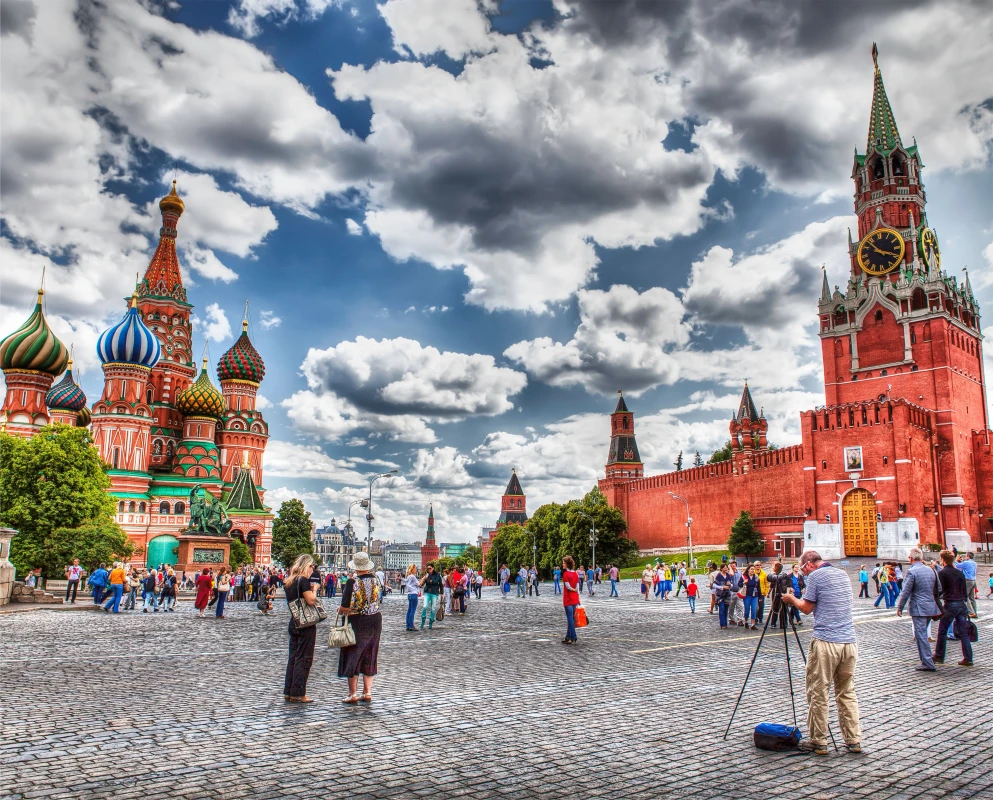
The Heart of Moscow
Located beside the famous Red Square, the Kremlin stands at the center of Moscow’s historical, political, and cultural landscape.
Tickets and Admission
The Kremlin is divided into several visitor areas - each requiring a separate ticket. Tickets can be purchased online or at the Kremlin Museum ticket office near the Alexander Garden.
Cathedral Square
Includes admission to the Assumption, Archangel, and Annunciation Cathedrals.
Armory Chamber
Displays imperial treasures, crowns, royal carriages, and Fabergé eggs.
Ivan the Great Bell Tower
Offers panoramic views of Moscow with limited daily admission.
Opening Hours
- Open Tuesday to Sunday, 9:30 AM to 6:00 PM
- Closed on Thursdays
- Ticket sales end 45 minutes before closing time
Best Season to Visit
The ideal time to visit the Kremlin is in late spring (May-June) or early autumn (September-October), when the weather is pleasant and crowds are moderate.
Travel Tip: Early morning and sunset are the best times for photography, when the sunlight reflects beautifully off the golden domes and red Kremlin walls.
Nearby Attractions
The Kremlin is surrounded by some of Moscow’s most famous landmarks, making it the perfect hub for exploring the city’s cultural heart.
- Red Square: Russia’s most famous square and historical center.
- St. Basil's Cathedral: Known for its colorful onion domes and fairy-tale appearance.
- Lenin's Mausoleum: The resting place of Soviet leader Vladimir Lenin.
- State Historical Museum: Preserving Russia's rich historical heritage.
- GUM Department Store: Famous for its luxurious shopping arcades and architecture.
- Alexander Garden: Peaceful gardens beside the Kremlin walls.
- Bolshoi Theatre: World-renowned for ballet and opera performances.
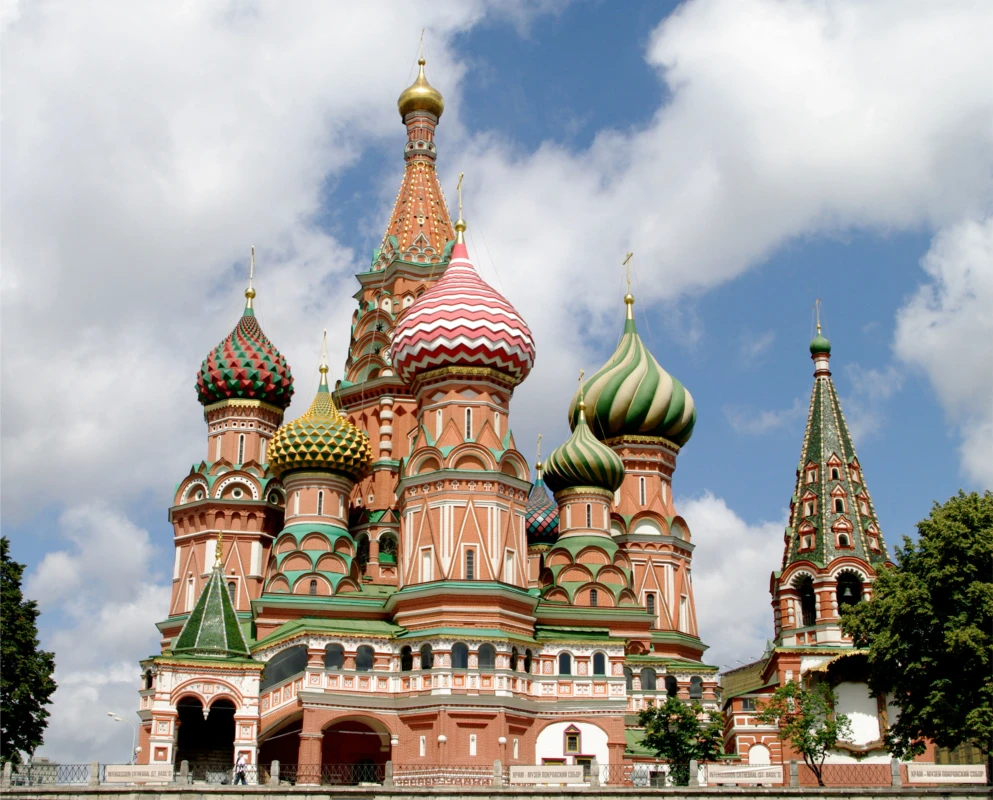
Saint Basil’s Cathedral
Standing beside Red Square, Saint Basil’s Cathedral is one of Moscow’s most photographed landmarks, famous for its colorful domes and unique Russian architecture.
Travel Tips & Recommendations
Travel Advice
- Book tickets early: There are limited slots in the Armory Chamber and Bell Tower, so advance booking is recommended.
- Arrive early: The Kremlin can get very crowded, especially on weekends and holidays.
- Language: English signs are available, but learning a few Russian phrases can enhance your experience.
- Security checks: Be prepared for strict bag checks at the entrance; large bags or tripods may not be allowed.
- Weather: Moscow winters are very cold - dress warmly if visiting between November and March.
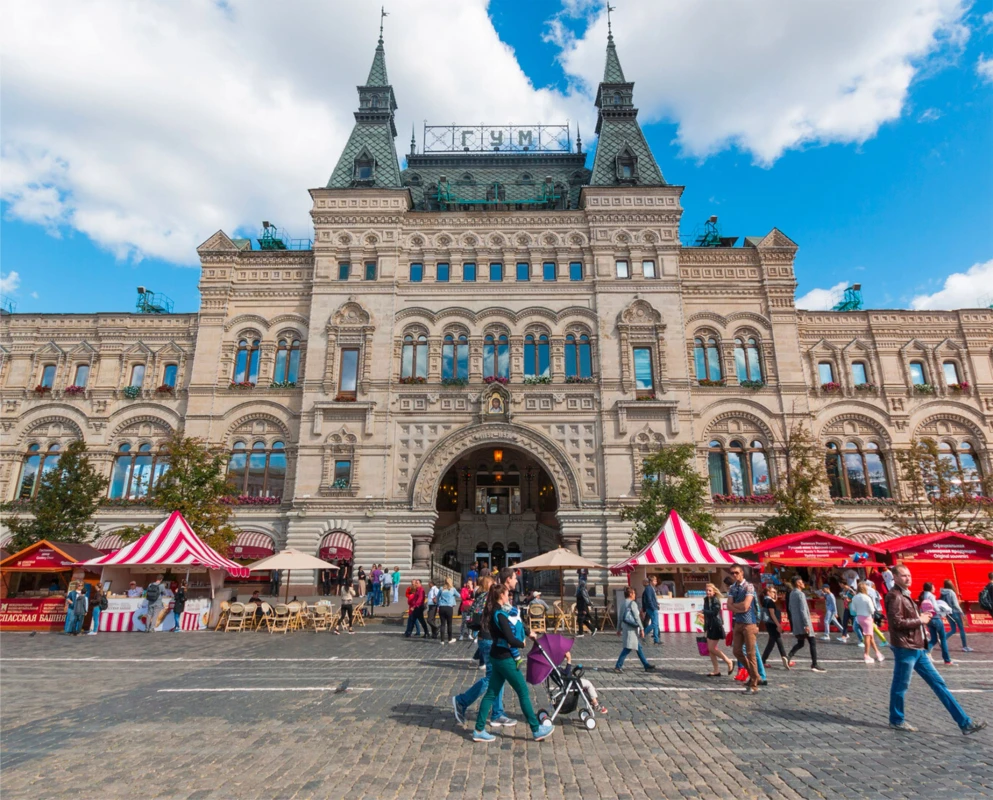
Kremlin at Night
The illuminated Kremlin walls and towers create one of the most breathtaking night views in Moscow, especially around Red Square.
Local Experiences
- Take a guided tour to learn hidden stories about the Tsar, revolutions and palace intrigues.
- Visit the Armory Chamber to see imperial jewels, Fabergé eggs and ceremonial armor.
- Walk along Red Square at night - the illuminated Kremlin walls look amazing.
- Enjoy Russian cuisine at nearby restaurants like Dr. Zhivago or Cafe Pushkin.
Tips for Travelers
- Best time for photography: Early morning or sunset.
- Respect religious sites: Dress modestly when entering cathedrals.
- Currency: Russian rubles (RUB).
- Connectivity: Public Wi-Fi is available in Red Square and nearby cafes.
- Souvenirs: Handmade icons, matryoshka dolls, and postcards are popular keepsakes.
A visit to the Kremlin is not just a sightseeing tour - it is an entry into living history, steeped in art, architecture and echoes of power.
Fun Facts and Trivia
Kremlin Walls
The Kremlin walls stretch around 2.25 kilometers and contain 20 historic towers.
Tsar Bell
The Tsar Bell is the largest bell in the world, weighing over 200 tons.
Tsar Cannon
The gigantic Tsar Cannon weighs around 40 tons and was never used in battle.
Ruby Stars
The glowing ruby stars on the Kremlin towers are illuminated from inside.
Napoleon’s Invasion
Napoleon’s army tried to destroy the Kremlin in 1812, but much of it survived.
Secret Tunnels
Underground tunnels beneath the Kremlin were once used for secret escapes and storage.
Interesting fact: The word “Kremlin” means “fortress,” and several historic Russian cities have their own smaller Kremlins.
Impact and Legacy
Global Recognition
The Moscow Kremlin is not just the political and historical heart of Russia - it is a global symbol of power, heritage and endurance. Recognized by UNESCO as a World Heritage Site in 1990, the Kremlin represents a thousand years of Russian culture.
Tourists, historians, and architects are captivated by the Kremlin's ability to blend medieval tradition with modern governance. The site hosts world leaders, royal guests, and state ceremonies.

Symbol of Russian Heritage
The Moscow Kremlin stands as a timeless symbol of Russian political authority, cultural heritage, and architectural brilliance admired around the world.
Influence on Modern Architecture
The Kremlin has had a profound influence on Russian and global architecture. Its distinctive red brick walls, onion domes, and golden crosses inspired architectural styles across Eastern Europe and parts of Asia.
Internationally, the term "Kremlin-style" is often associated with grand fortress-like architecture symbolizing strength and authority.
Heritage and Preservation
The Kremlin’s heritage is as complex as Russia’s own story. Over the centuries, it has survived invasions, fires, revolutions, and modernization.
Today, it serves as:
- The official residence of the Russian President
- A museum complex preserving historical treasures
- A sacred site for the Orthodox Church
- One of Russia’s most visited tourist destinations
Extensive restoration and preservation projects continue to protect the Kremlin’s architectural and historical legacy for future generations.
Conclusion
The Kremlin in Moscow is much more than a landmark - it is a timeless mirror of Russia, reflecting the nation's struggles, triumphs and rebirth.
From the reign of medieval princes to the modern presidency, the Kremlin has witnessed every chapter of Russian history. Its crimson towers, golden domes and grand halls tell the stories of emperors, warriors, revolutionaries and visionaries.
For tourists and historians, a visit to the Kremlin is like entering a living museum - where echoes of the past meet the pulse of the present. It is not just about architecture or politics; it is about understanding how a single place can shape the identity of an entire nation.
Whether you stand in front of the majestic Spasskaya Tower, gaze out across the sparkling Cathedral Square, or walk along the ancient walls, you are not just a tourist - you are a researcher of history itself.
So, if you ever find yourself in Moscow, be sure to stop, gaze at the ruby stars shining atop the Kremlin Tower, and feel the pulse of centuries beneath your feet.
.webp "Sunset View of the Moscow Kremlin in Russia")
A Timeless Fortress of History
The Moscow Kremlin continues to stand as a magnificent symbol of history, power, spirituality, and architectural brilliance admired across the world.
Dear Explorer,
Every great journey begins with curiosity – a spark that drives us to learn, see and experience the wonders of the world. The Kremlin is not just a fortress of Russia; it is a monument to human perseverance, creativity and power. As you read and explore, remember that history lives not only in monuments but also in our desire to understand them.
At Journeyearth, we believe that every place holds a story – a glimpse of the past waiting to be heard. Whether you explore ancient temples, sacred shrines or monumental cities, do so with wonder in your eyes and reverence in your heart.
If this Kremlin story inspires you, share it with fellow explorers, leave a comment, or plan your visit to Moscow – and experience the splendor for yourself.
Keep traveling, learning, and exploring the Earth – one story at a time.
With appreciation and a desire to wander,
– The Journeyearth Team
